First Time in Japan: A 7-Day Route That Isn't Exhausting
Japan overwhelms first-timers because there's too much of it and everyone's itinerary online tries to cram in eleven cities. For a first week, don't. Two bases — Tokyo and Kyoto — with a couple of day trips gives you the whole spectrum: neon and temples, chaos and calm, without living on trains.
Here's a week that works.
Days 1–3: Tokyo
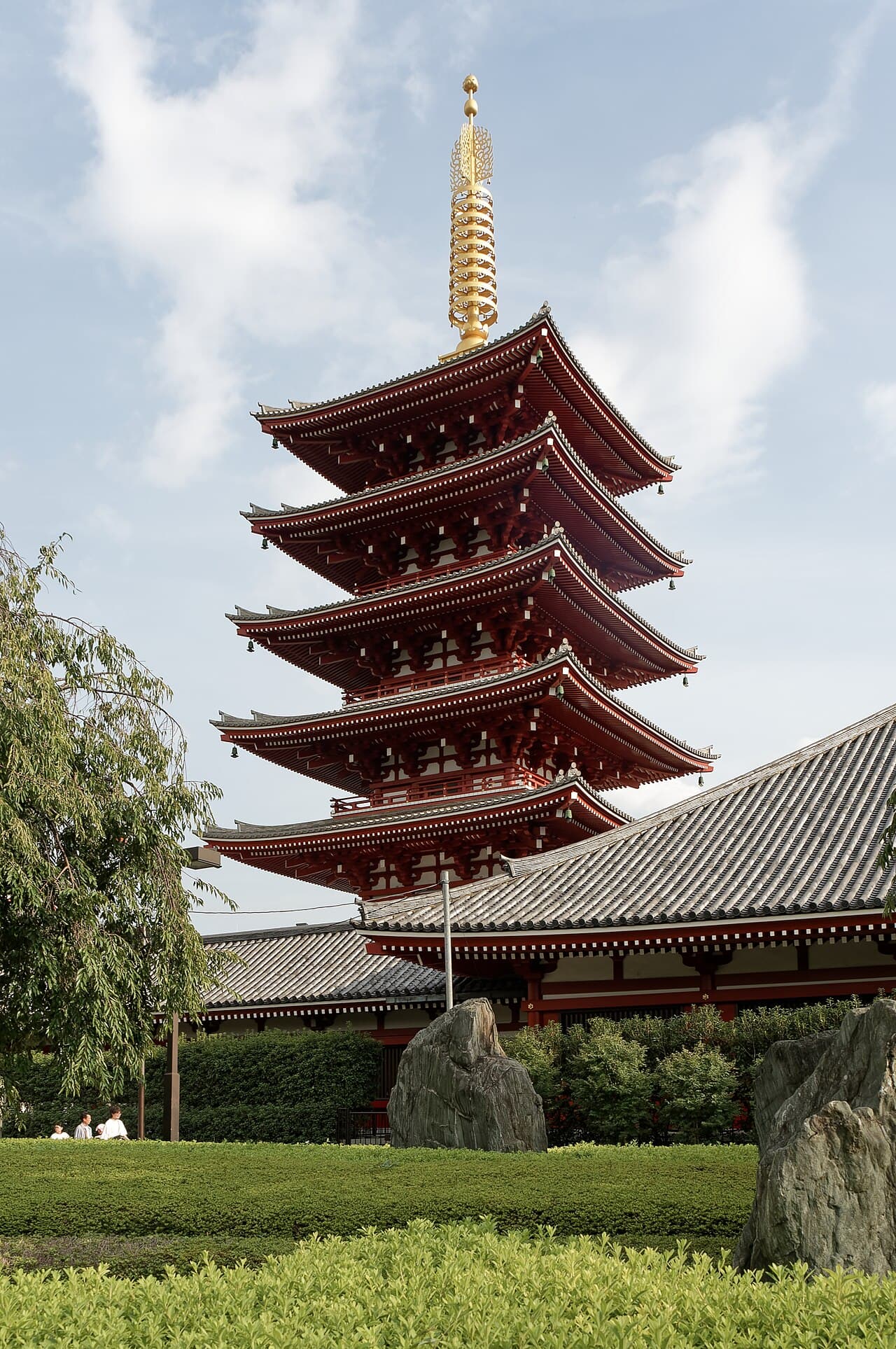
Day 1 — Arrive, drop your bags, and go easy. Asakusa (Sensō-ji temple), then a first proper ramen. Jet lag wins tonight; don't fight it.
Day 2 — The big-city day. Shibuya crossing, the Meiji Shrine right next to it (a forest in the middle of the city), Harajuku for the spectacle, Shinjuku after dark. Eat everything.
Day 3 — Slow down. Tsukiji outer market for breakfast, teamLab or a museum, an afternoon in a quiet neighbourhood like Yanaka. Optional: a day trip to Nikkō or Kamakura if you're not templed-out yet.
Day 4: The train to Kyoto
The shinkansen (bullet train) is part of the trip, not just transit — ~2.5 hours, comfortable, and Mount Fuji out the right-hand window if the sky's clear. Arrive in Kyoto by lunch.
Days 4–6: Kyoto
Day 4 (afternoon) — Ease in around Gion, the old geisha district, and Kiyomizu-dera temple at golden hour.
Day 5 — The classics: Fushimi Inari (the thousand orange gates — go at dawn to beat the crowds), Arashiyama bamboo grove and the monkey park. It's a full day and a lot of walking.
Day 6 — Kyoto's quieter side: the Philosopher's Path, a tea house, Nishiki market for lunch. Maybe a half-day to Nara for the deer and the giant Buddha.
Day 7: Home (or Osaka)
Fly out — or if your flight's from Osaka, spend the morning eating your way through Dōtonbori first. Osaka is 15 minutes from Kyoto and Japan's best street-food city; a lot of people fly in/out of there on purpose.
Practical bits nobody tells you
- Get a transit IC card (Suica/ICOCA) on arrival — tap for every train, bus and convenience store.
- Carry cash. Japan is more cash-based than you expect, especially small restaurants.
- October and April–May are the sweet spots — comfortable weather, and you dodge the summer humidity. See Japan for timing.
What it costs
Japan isn't as expensive as its reputation once you're there. On-the-ground spending — incredible food, temple entries, local trains — runs modest by Western-Europe standards; it's the flights that are the big number. Getting the flight window right matters most here.
That's the route. The cheapest flight window for your dates, which neighbourhood to base in, and a day-by-day plan paced so you actually enjoy it — that's what a Wayamigo guide builds. See Japan to start.
Ready to plan the real thing?
Enter your dates and budget — get a complete PDF + web guide with real flights, places and a day-by-day plan.
Build my guide